
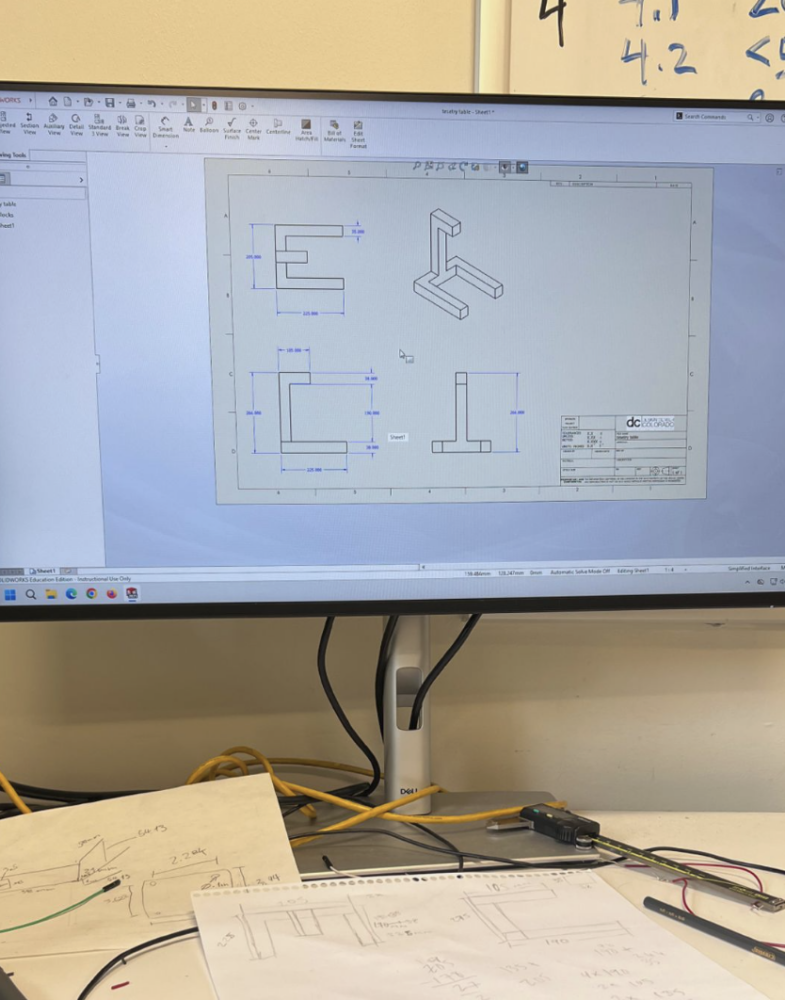
From there, I moved into sketching and early drawings to work through the geometry and understand how the tensegrity structure would function.
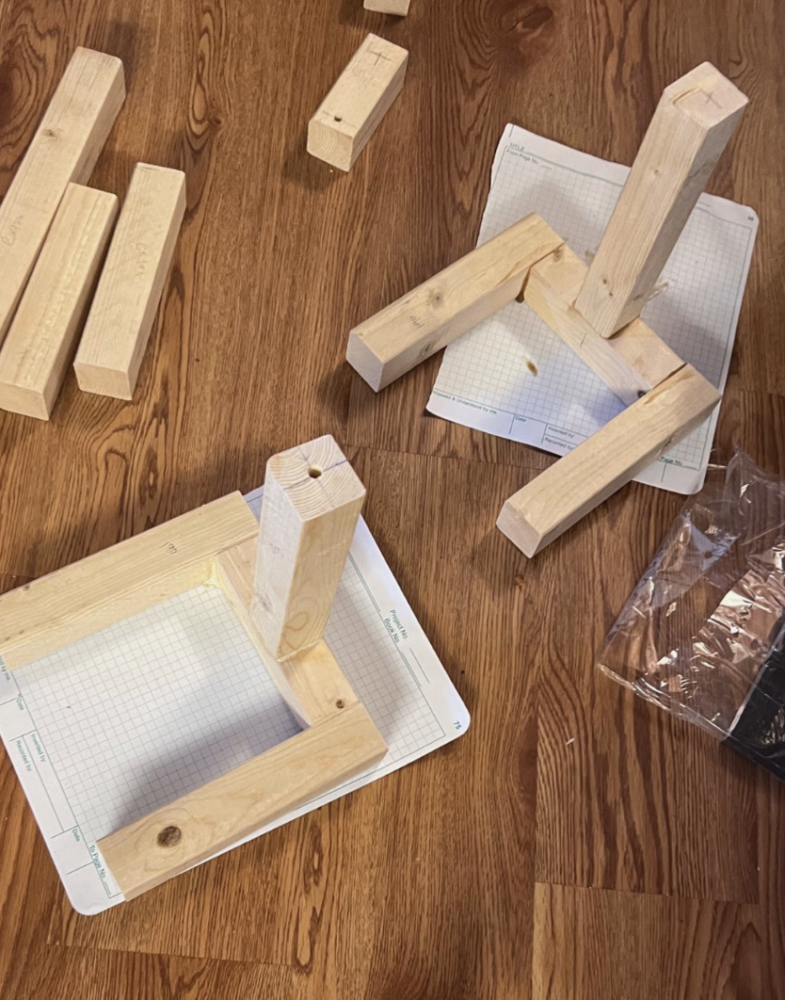
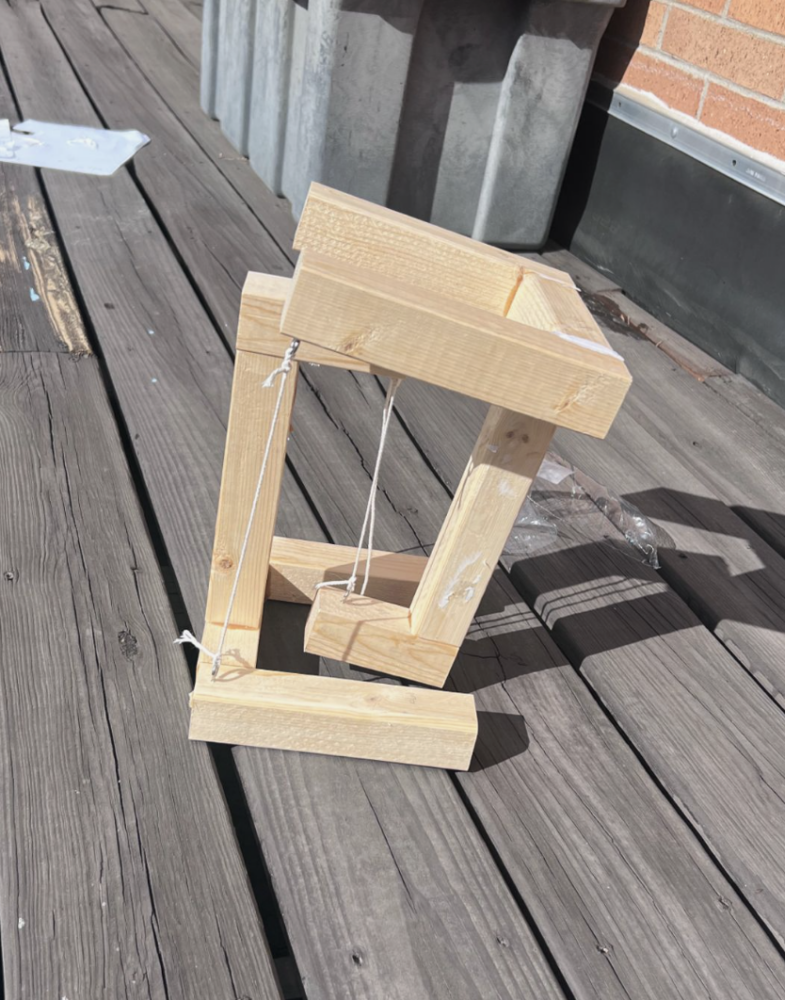
This was my first physical prototype, focused on proving the tensegrity concept and understanding how tension and compression interact. however i wanted to try something new and a better more inventive design that i think meshed with the Japandi style more.
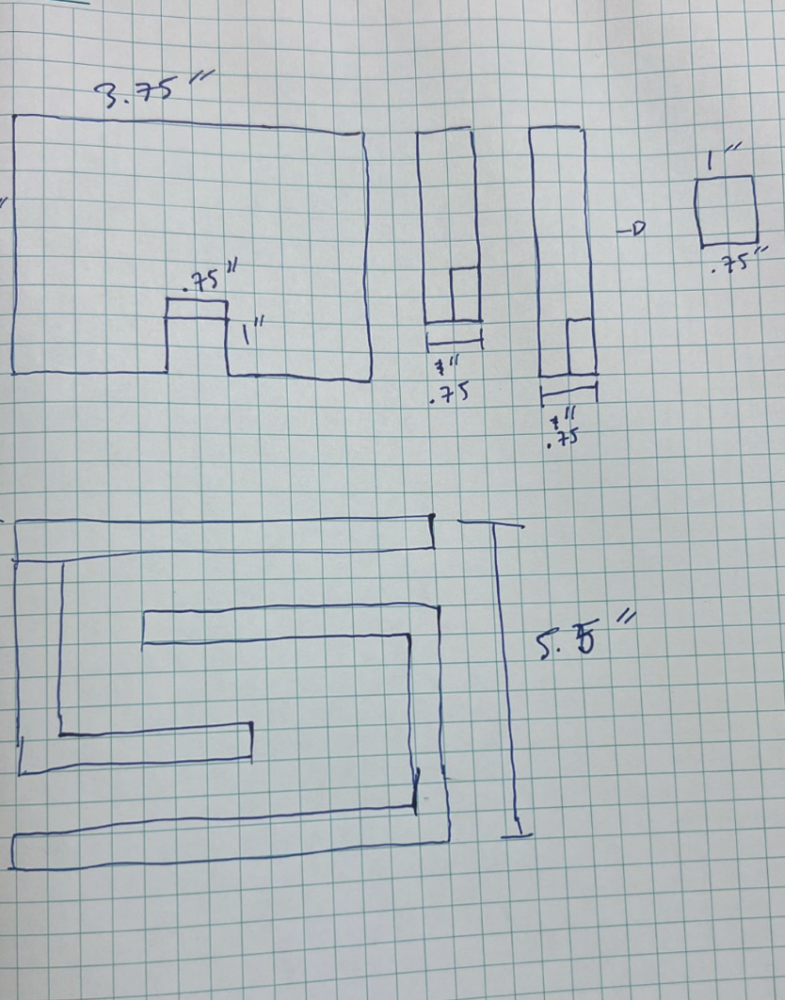
initial sketches of my second iteration.
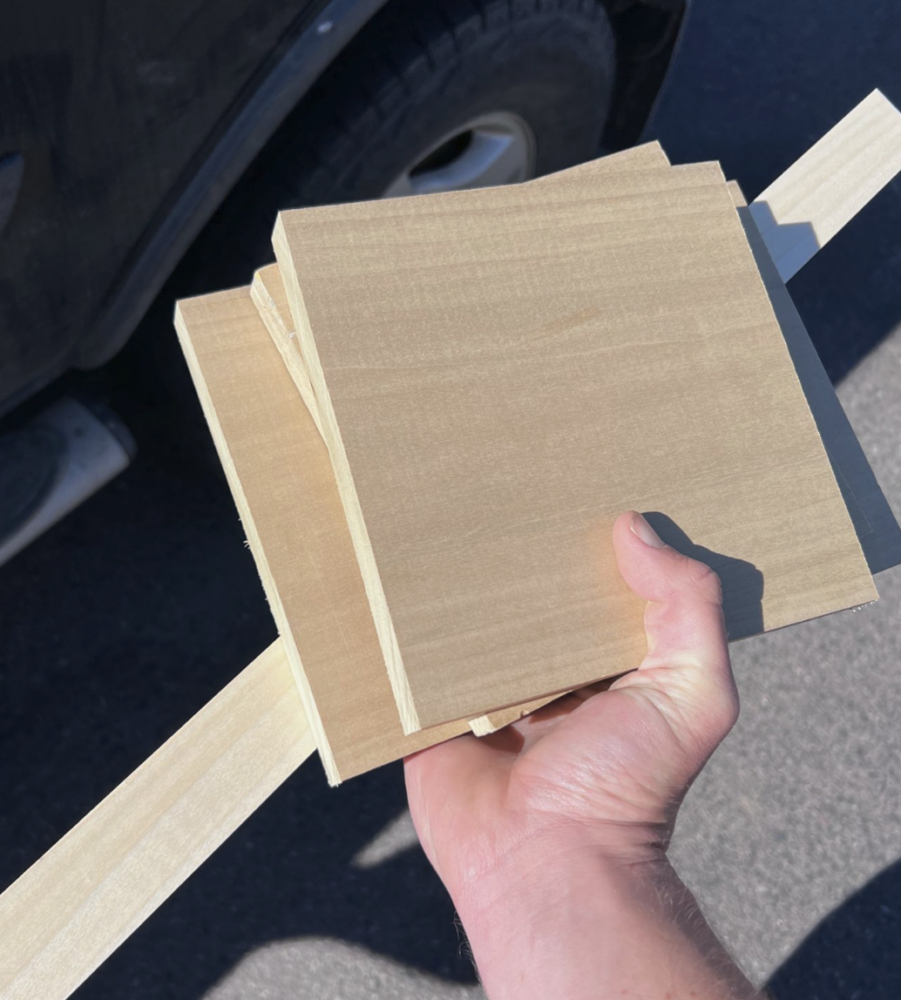
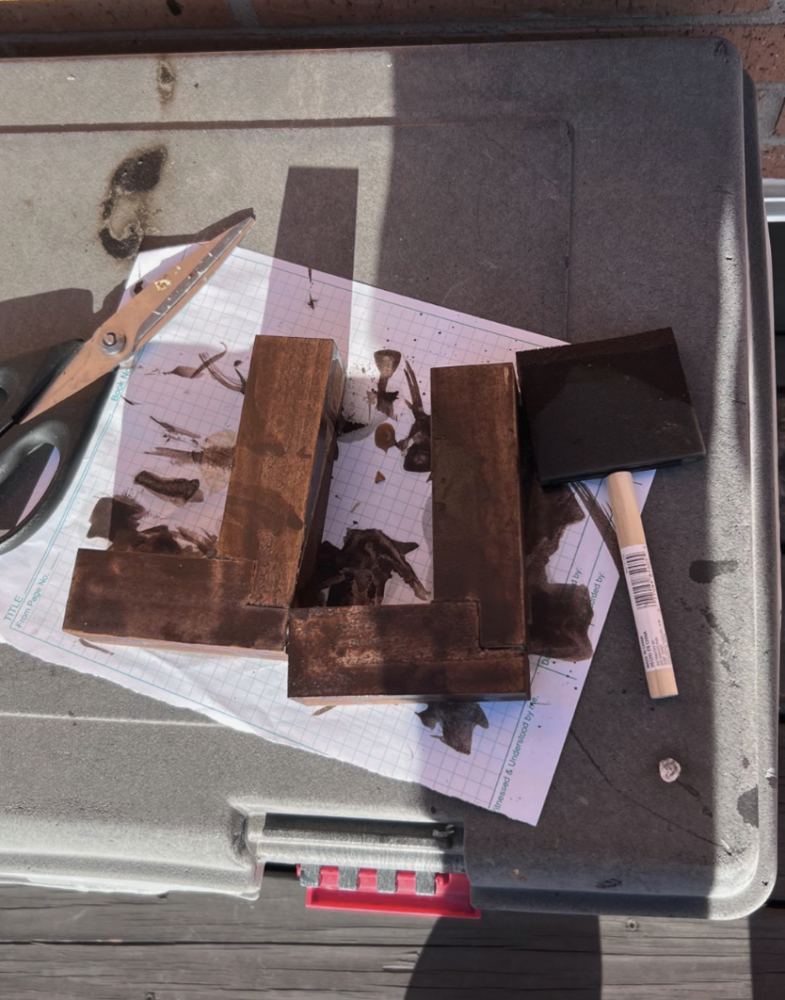
I don’t have a great photo of this step, but I used the table saw to make very precise cuts, including joinery and etched connection features directly into the wood. I followed my drawings closely and was working to about 0.01-inch tolerances, which is significantly tighter than a tenth of the blade width and required careful setup and consistency.
During one of the cuts, I had help setting up the saw, and the piece was accidentally dropped. This meant I had to scrap my second iteration. It was frustrating at the time, but it ultimately worked out for the better. That version was a bit clunky in its proportions, and starting over gave me the opportunity to refine the design. It also allowed me to practice wood finishing techniques on the scrap material before moving into the final build, which improved the overall quality of the last iteration.
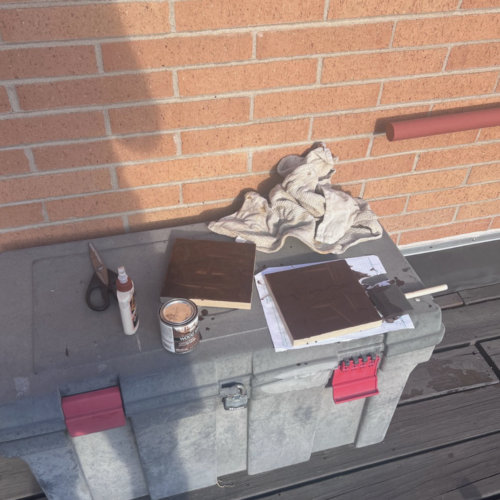
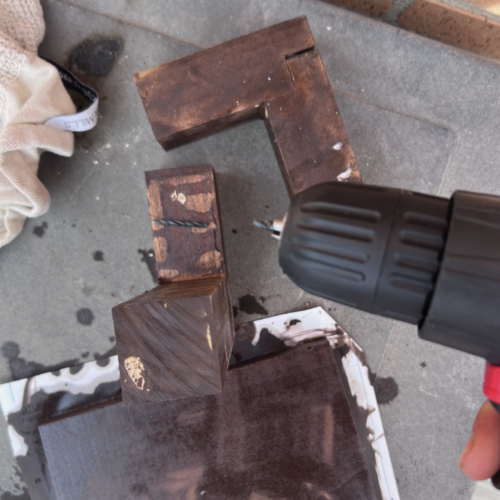
Over the weekend, I went down to Denver to continue working on the project in my sister’s studio, which gave me access to a more complete set of tools and a better workspace. Her friend Ian was there working on furniture as well, and he helped me refine several of the joinery cuts and improve the overall precision of the build.
Using this space allowed me to be more intentional with the fabrication process, especially when it came to alignment and clean connections. Having guidance on some of the more detailed cuts made a big difference, and this step helped elevate the quality of the final iteration.
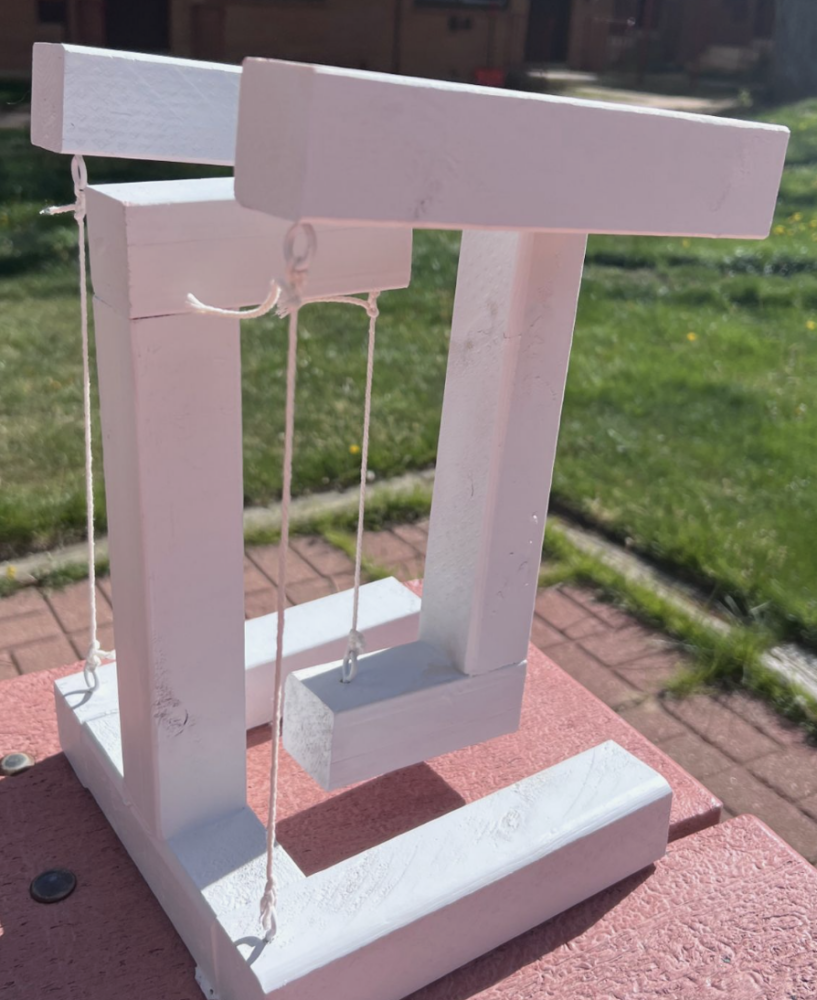
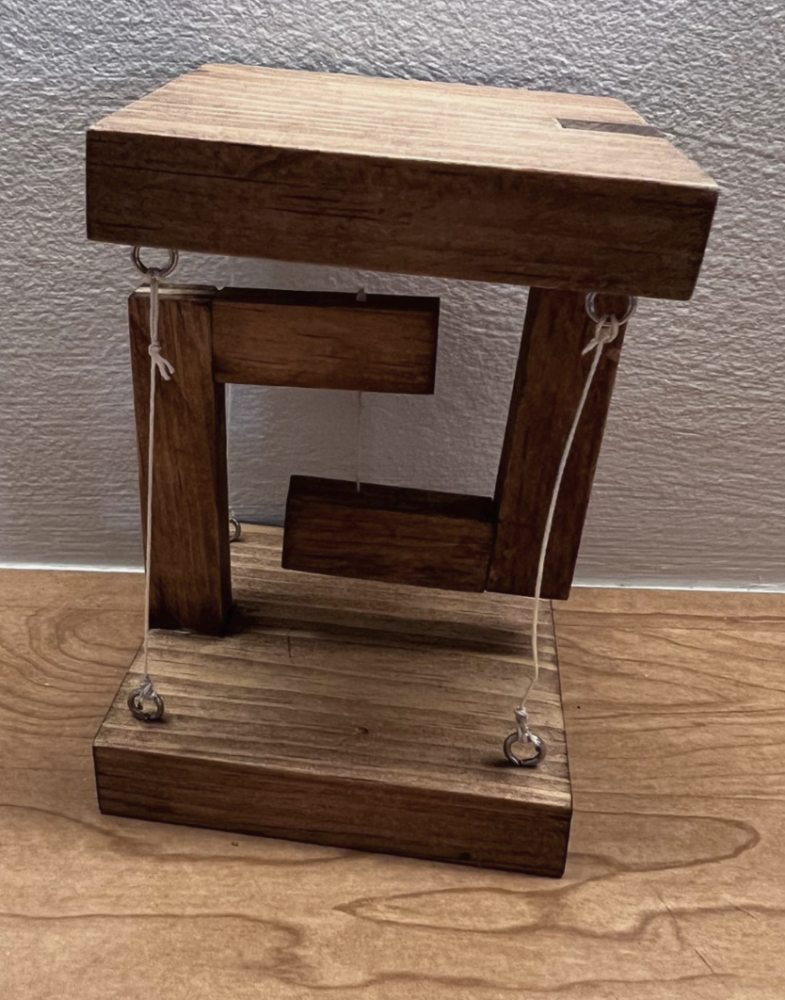
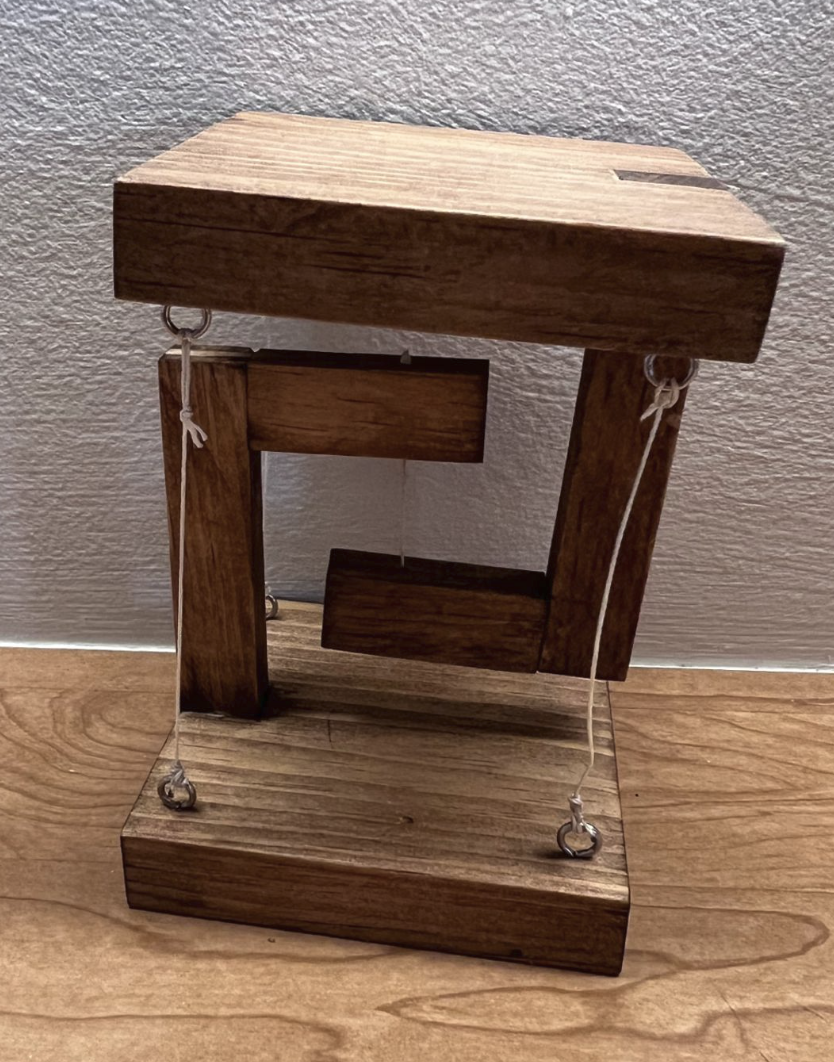
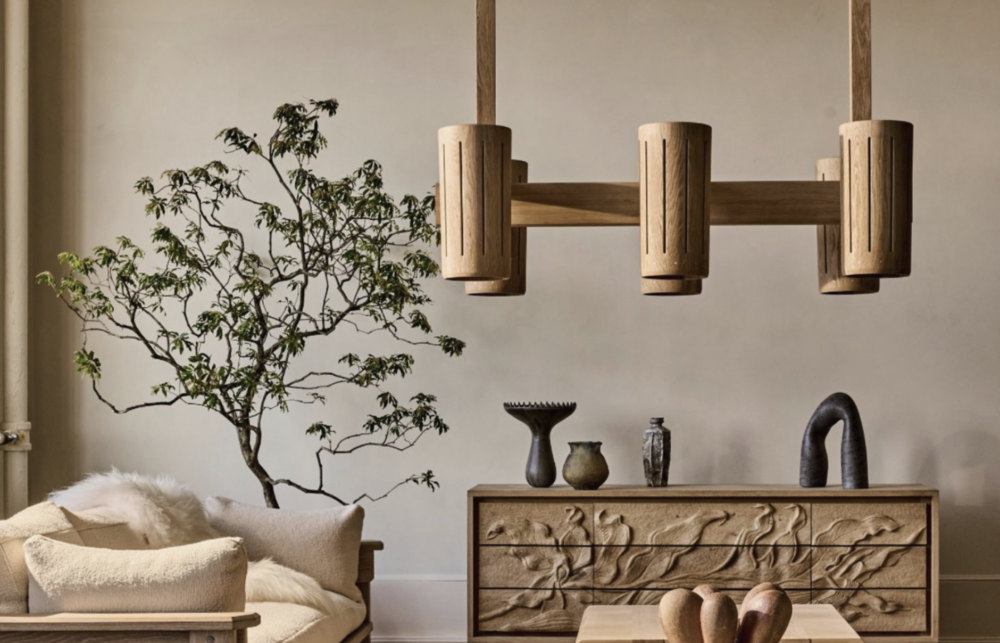
This project explores the intersection of structural engineering and minimalist design through a wooden tensegrity side table. I was drawn to the Japandi aesthetic for its focus on simplicity, natural materials, and intentional form, and used those principles to guide the design.
The final structure exposes the system rather than hiding it. A central wooden dowel carries compression while tension cables suspend the top surface, creating a floating effect. This reflects balance both visually and structurally.
Across three iterations, I refined the geometry, improved stability, and tightened tolerances. The final version is simpler, stronger, and more intentional, with darker wood tones that emphasize materiality and contrast.
The design reflects three key Japandi characteristics: simplicity through reduced form, natural materials through exposed wood and finish, and balance through the tension-compression system.
This project pushed me to combine precision with restraint and showed how engineering decisions can directly shape aesthetic outcomes. Thank you to Josh in the woodshop and Ian in Denver for help with joinery and fine detailing.
