
For my main project in this course, I’ve been working on a simulated river environment inspired by naturalism. The idea was to create something that captures the essence of the outdoors a flowing, plant filled slice of nature that feels like it was taken straight from a forest and placed inside a home. I’ve always been drawn to the way nature grounds me, and I wanted to recreate that calming, immersive feeling in a small, contained form that could live on a desk or shelf.
This project isn’t meant to be purely functional; it’s focus is on aesthetic-first. The movement of water and integration of natural materials are primarily there to serve the overall feeling and visual impact. If it doesn’t “work” perfectly as an ecosystem, that’s okay. What matters most is whether it evokes that stillness and beauty you feel standing next to a stream or hiking through a mossy trail.
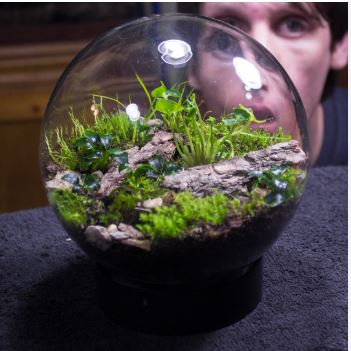
I envisioned a compact “river slice” with three key specifications:
- Aesthetic First: The look and feel are my top priority. Everything contributes to a cohesive visual experience: muted earth tones, organic textures, subtle water movement, and natural materials. The river should feel peaceful and authentic, like a block of nature transported into your living space.
- Dynamic Component: The movement of water serves as my dynamic feature. A small aquarium pump circulates water from a lower compartment, through a channel lined with stones and moss, and back again, creating that gentle flowing sound that’s so characteristic of a forest stream.
- Compact and Self-Contained: The build needs to be easy to transport and fit in a small living space. I aimed for a footprint around the size of a shoebox, using clear acrylic walls and silicone sealant to create a watertight basin that showcases the interior from all angles.
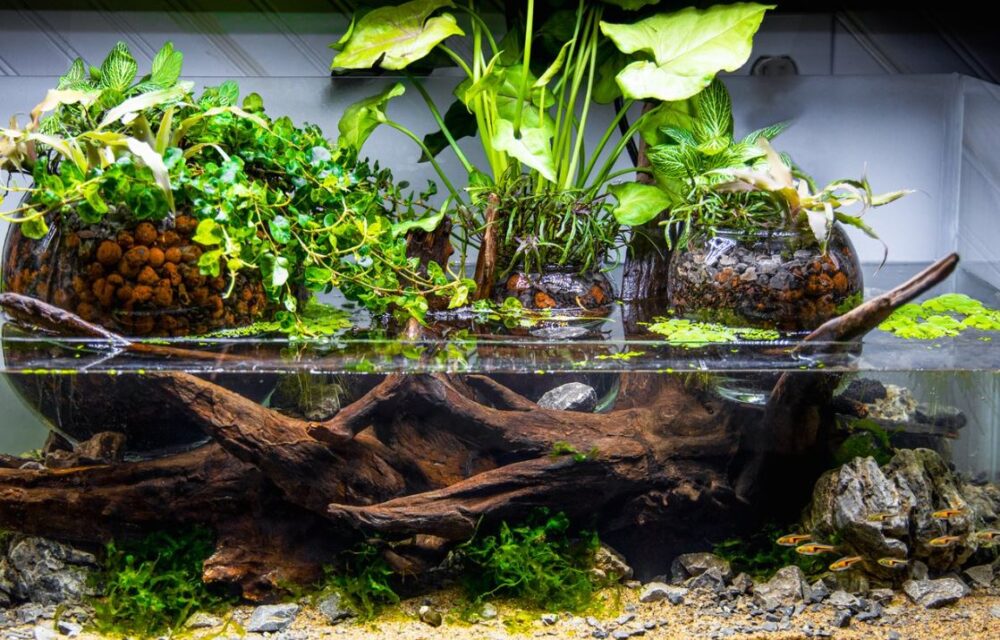 The form centers around a tiered system, where water starts in a bottom compartment and is pumped to the top, flowing down a central channel made of carefully arranged rocks and wood. The design is modular, with compartments that separate water flow from plant zones, allowing me to fine tune the look without compromising the circulation.
Inspiration
My biggest source of inspiration has been SerpaDesign, a YouTube creator known for building naturalistic terrariums, aquariums, and paludariums. His videos often walk through the process of planning, scaping, sealing, and populating these habitats. What stood out to me was his ability to design compact environments that feel like genuine, living microcosms. It’s not just about creating a container with water and rocks; it’s about storytelling through design. Each of his creations feels intentional, layered, and balanced.
One video that particularly influenced me shows him building a 5-gallon paludarium with a waterfall using natural wood, rocks, live moss, and an aquarium pump. The way he integrated the movement of water felt subtle but impactful. I drew heavily from that aesthetic and mechanical setup while designing my own river system.
I also pulled visual inspiration from hiking trails and creek beds near Boulder. In fact, I went on a hike specifically to source natural materials like stones, twigs, and mosses. This felt important not just to make the build more authentic, but also to bring a bit of my personal experience into it. I didn’t want to buy everything from a store. Part of naturalism is about respecting what already exists in nature and using that to tell a story.
 From Concept to Reality
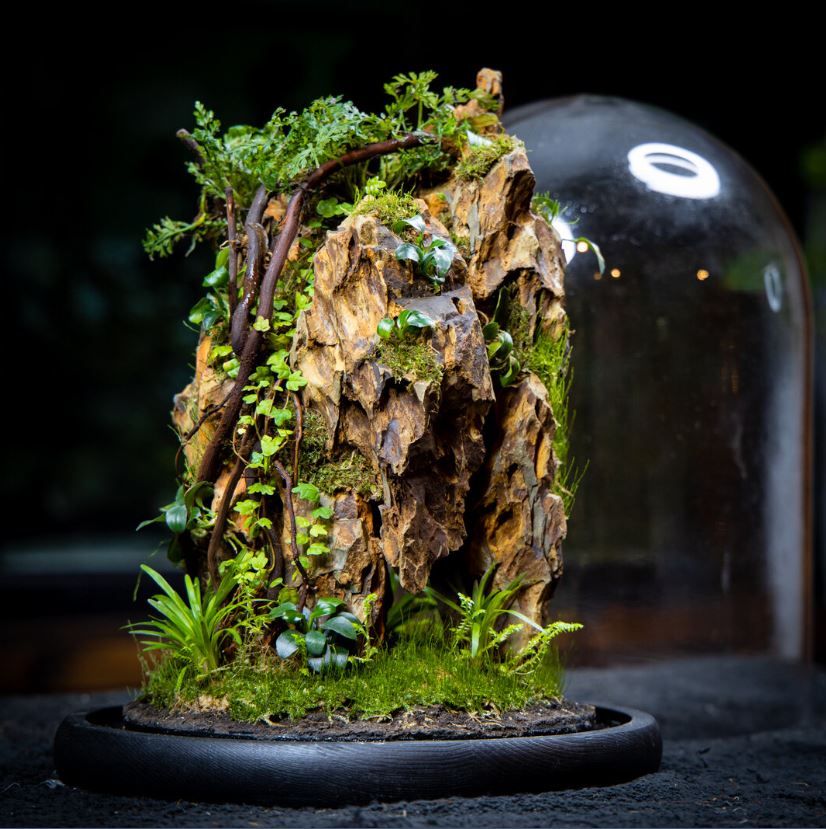
Early in the process, I sketched out several rough layouts, trying to balance visual flow and function. The goal was to avoid anything that looked too symmetrical or artificial. I wanted the piece to have the irregular, slightly chaotic balance that natural riverbeds have. I experimented with shapes for the water channel, testing whether a sharp “S” curve or a simple diagonal slope would feel more natural. I landed on a gradual slope with a single curve to guide water downward.
I planned the structure around accessible materials. Acrylic was chosen for the walls because it’s transparent and easy to work with, allowing the interior to stay visible from all angles. I cut the acrylic down to size myself and assembled the box with hot glue at first, before switching to silicone for waterproofing. My sketches included measurements for each panel, the location of the pump, and the space for plant growth.
This week marked a significant turning point as I transitioned from conceptual planning into hands-on building. There’s something deeply satisfying about moving from ideas on paper to actual materials in my hands.
 Diving Into Construction
I started by revisiting videos from SerpaDesign and other creators to understand how to create visually seamless nature builds and manage water flow in confined spaces. I spent considerable time mapping out the logistics, figuring out optimal pump placement, planning water flow between compartments, and ensuring the layout would remain visually balanced while staying functional.
Over the weekend, I went hiking specifically to gather natural materials. This turned out to be one of my favorite parts of the process so far. I collected an assortment of interesting stones, weathered sticks, and small patches of moss that looked like they belonged in an authentic streambed. This wasn’t just about aesthetics it was about infusing the project with meaning. The hike itself helped me reconnect with the exact mood and atmosphere I’m trying to recreate in this build.
With materials in mind, I began purchasing the technical components. I bought an aquarium pump to simulate water flow and silicone sealant for waterproofing. I then started cutting the acrylic sheets that will form the outer walls and internal compartments of the project. Getting these measurements precise was tricky but essential for the structural integrity of the piece.
My first real challenge emerged when trying to seal the middle compartment, which needs to hold water and redirect it through the natural-looking channel I’ve designed. My initial attempt using superglue and hot glue was a complete failure. The hot glue lacked both the strength and flexibility to handle water pressure, and small leaks quickly developed along the seams. After some frustration, I went back to research and discovered that aquarium safe silicone was the proper solution for sealing acrylic and containing water long term.
This led to another trip to the hardware store for proper silicone sealant. I carefully removed the failed sealing materials, thoroughly cleaned the surfaces, and reapplied fresh silicone along all the joins. With the silicone fully cured, the compartment will be completely watertight.
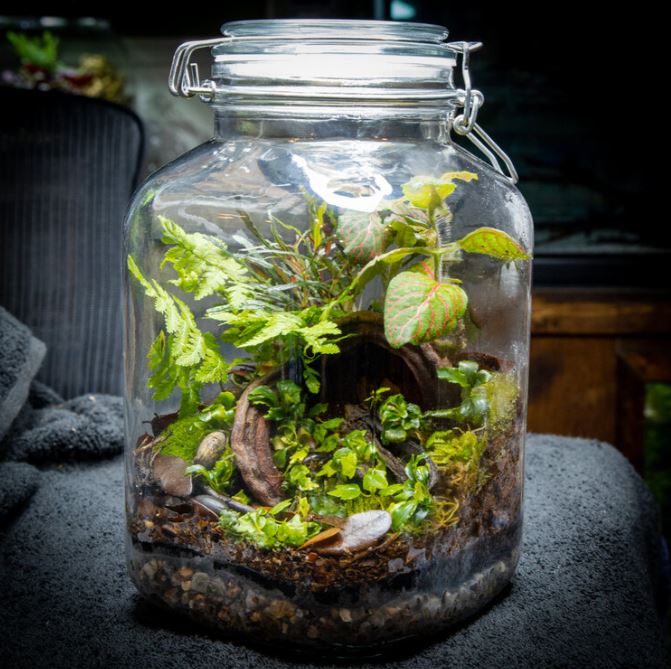 Bringing the Aesthetic to Life
The aesthetic I’m going for is naturalism, which focuses on portraying nature as it is, raw, layered, imperfect, but balanced. I’ve leaned into this through my choice of materials and layout. Every stone was chosen for its shape and texture. The moss is placed to look like it’s naturally growing between rocks, not just stuck there for decoration. Even the placement of the pump is hidden beneath a cover of gravel so it doesn’t break immersion.
I made a point to avoid shiny, bright, or plastic looking materials in the visible parts of the build. The acrylic is only there to hold the environment it fades into the background. What you really see is the green of the moss, the subtle motion of water, and the way the rocks layer over each other. I want someone to look at it and wonder if it’s something that was found, not made.
One major decision was not to include fish or any animal life. While that could have added to the realism, I wanted this to be more of a meditative piece, like a living sculpture rather than a full on aquatic ecosystem that requires regular maintenance. The plants are low maintenance and chosen for their ability to grow in humid, wet environments. I’m still deciding whether I’ll include soil or just use moss and water loving clippings.
Looking Ahead
Assuming the waterproofing holds, my next steps will include installing the pump, arranging the natural materials I’ve collected, and finalizing the aesthetic elements that will bring this miniecosystem to life. Despite the setbacks, it feels incredibly satisfying to see the project taking physical form. The learning curve has been steeper than expected, but each problem solved brings me closer to the vision I’ve been carrying around in my head.
This project is still evolving, but I’m really happy with the direction it’s going. So far, it feels like I’ve stayed true to my initial vision. The design is functional but clearly aesthetic driven, and the naturalism influence is coming through strong. I’m also documenting every step so that I can track not just what I made, but how I got there.
Ultimately, my goal is to create a piece that brings the outdoors in a quiet, flowing river you can keep in your room. Something you don’t just look at, but feel. That’s what naturalism is to me, is capturing the essence of something real and making it live in a new context. When someone sees the finished piece, I want them to think, “I need that in my space,” and feel drawn to the sense of peace it creates.
The challenges I’ve faced so far have been instructive. Working with unfamiliar materials like silicone and acrylic has pushed me to problem-solve and adapt my designs. Time management has been another hurdle, balancing this project with other coursework means I’ve had to be strategic about when and how I work on each component. And space constraints in my room have forced me to get creative with my workspace.
But these challenges are part of what makes the process meaningful. There’s something deeply satisfying about working through problems and seeing your vision gradually take shape. As the project continues to develop, I’m excited to see how the final result will compare to what I initially imagined. Whether it matches my original concept exactly or evolves into something different but equally compelling, I know the experience of creating it will have been worthwhile.
**All Images are from SerpaDesign**

1 Comment. Leave new
Hey Brenton! this is such a beautiful concept and a really well-executed approach so far. The decision to prioritize mood and atmosphere over perfect ecosystem function makes total sense for what you’re going for, and I love how intentional you’ve been with your materials and layout. One thing you might consider adding is a way to dim or adjust the lighting around the piece—it could really help set that meditative tone. Can’t wait to see it finished!