Project Overview
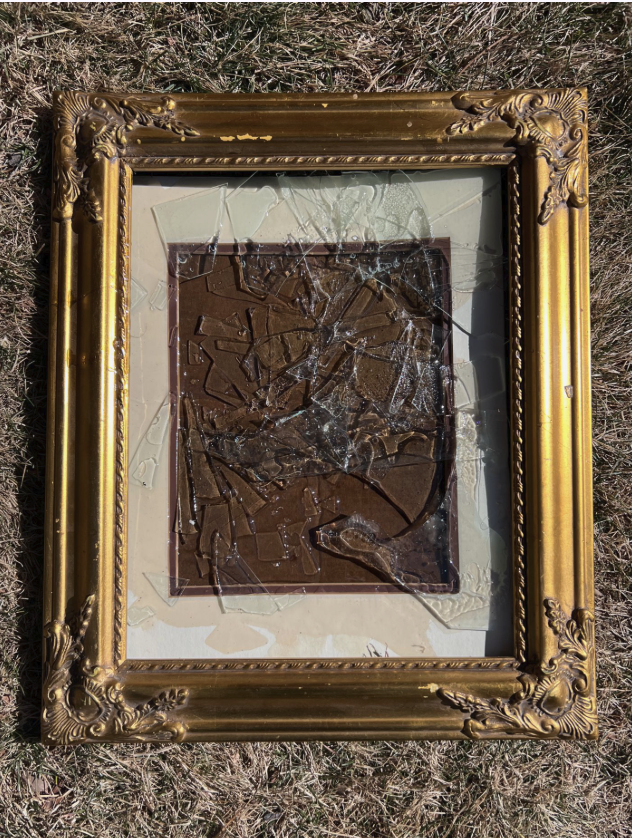
This project explores how power, authority, and image are constructed—and how easily they can be disrupted. I chose to work with ornate, traditional frames because they are historically associated with wealth, legitimacy, and permanence. They present their contents as refined, controlled, and untouchable. That visual language closely mirrors the gilded aesthetic often associated with figures like Donald Trump, where excess and polish are used to project strength and status.
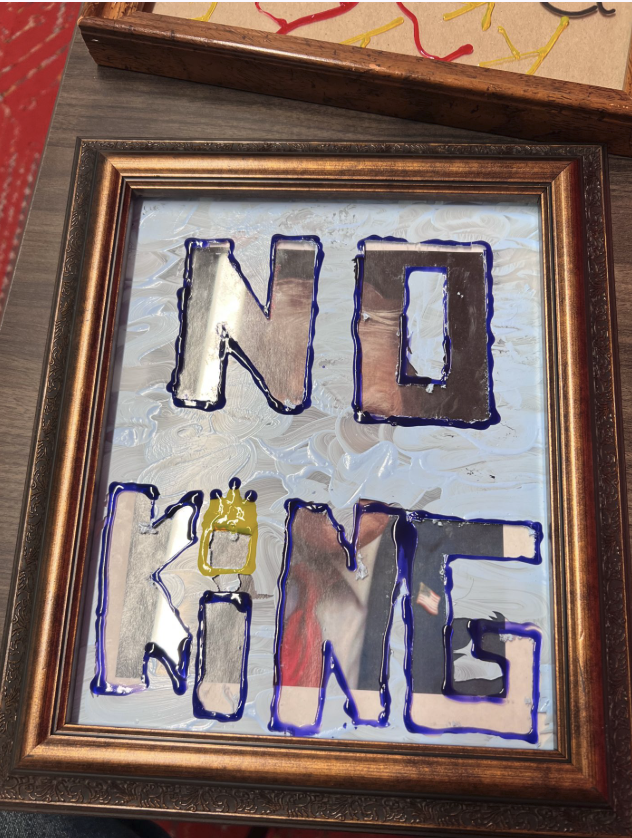
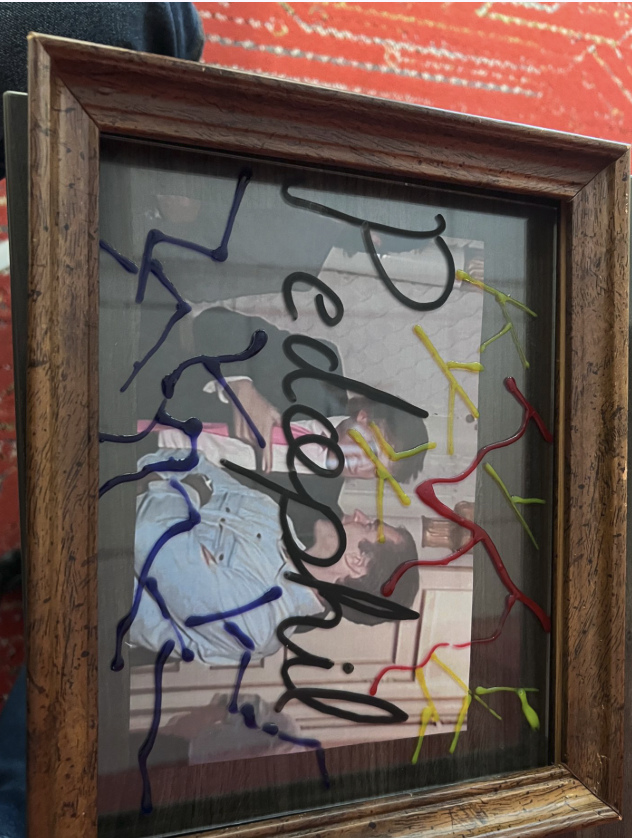
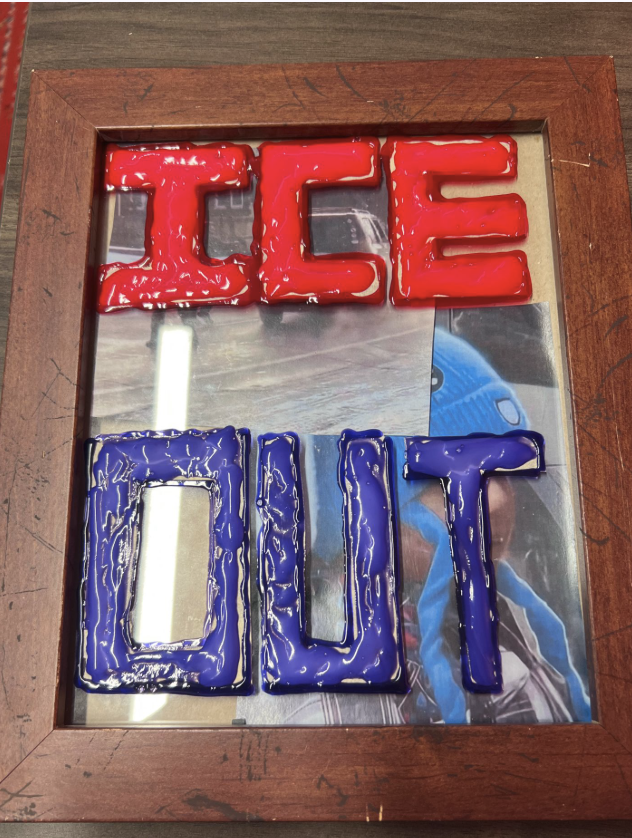
My goal was to challenge that constructed image from within. By placing disruptive, confrontational text inside these formal frames, I create a tension between what is expected and what is actually shown. The phrases “ICE OUT,” “NO KING,” and “Pedophile” are intentionally raw and uncomfortable, they interrupt the polished presentation and force the viewer to question the authority the frame is trying to legitimize.
This approach is influenced by guerrilla art and protest culture, where existing systems and symbols are repurposed to carry dissent. Rather than rejecting the frame entirely, I use it against itself. The frame attempts to preserve and elevate, while the content destabilizes and challenges, exposing the fragility beneath the surface.
Material choices reinforce this idea. The thick acrylic lettering is uneven and imperfect, with visible drips and bleed-through that resemble graffiti rather than fine art. These imperfections introduce a sense of urgency and loss of control, contrasting sharply with the precision and intentionality of the frame. What is meant to appear permanent and authoritative instead feels fractured and unstable.
Process
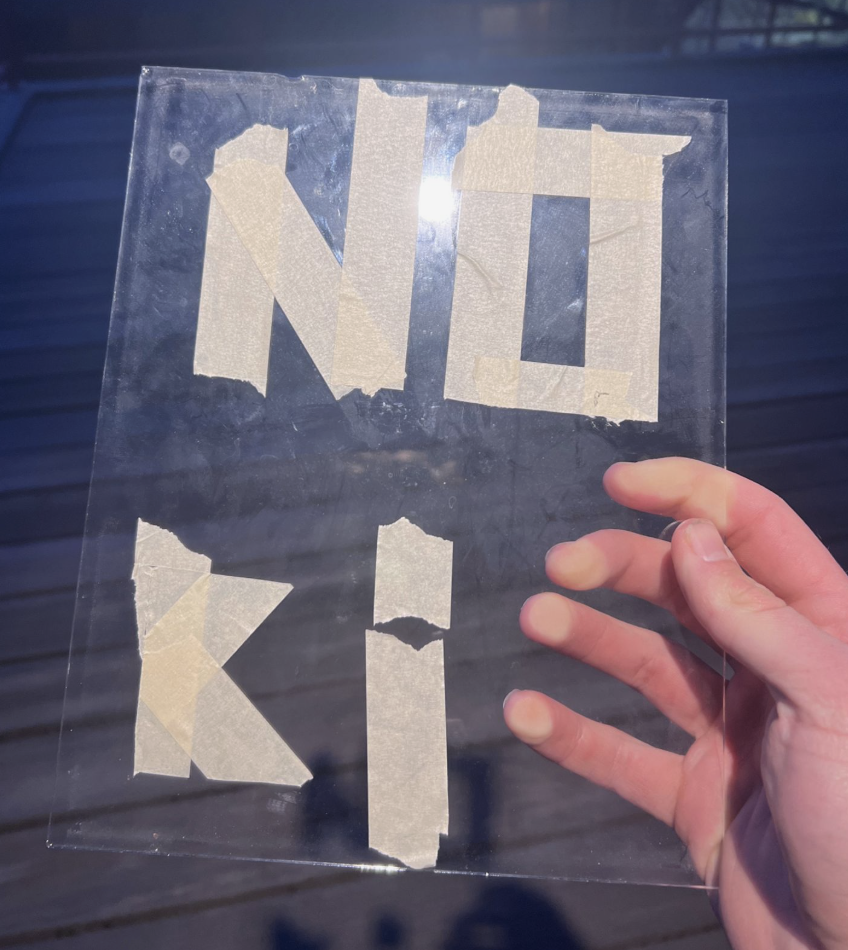
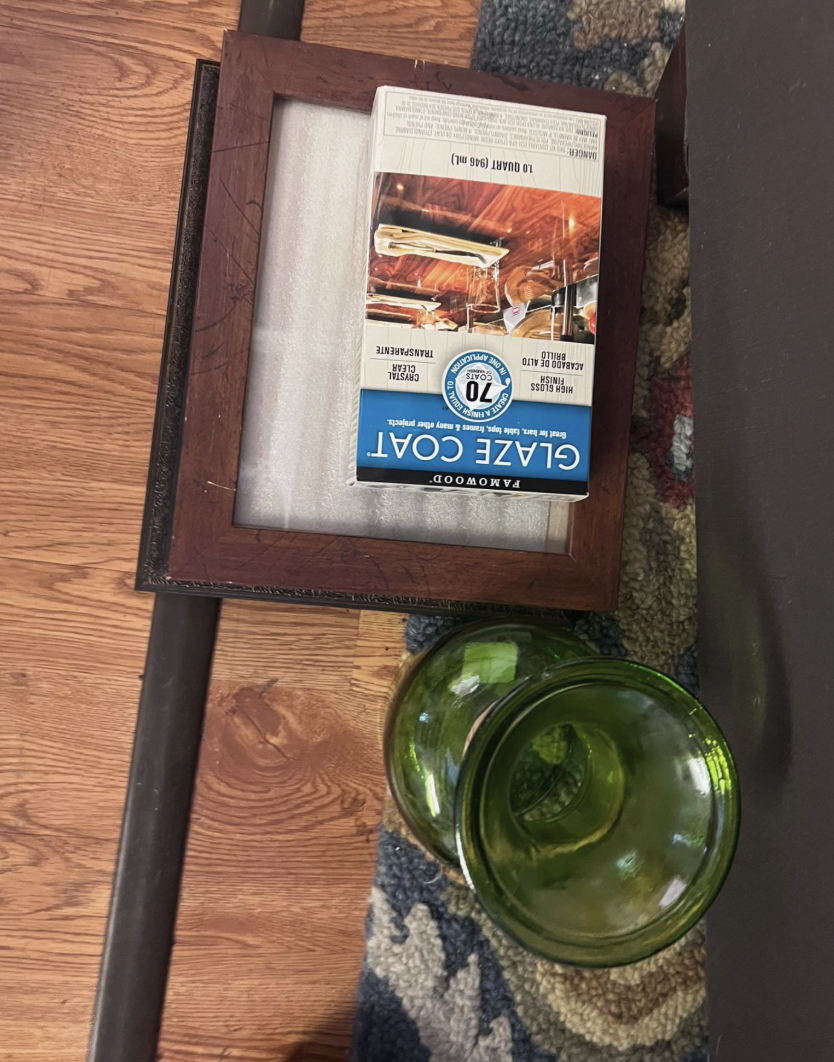
I began by selecting and preparing the frames, focusing on pieces that felt overly decorative and traditionally “authoritative.” From there, I outlined the glass surfaces to plan placement and composition.
The text was applied using thick acrylic, intentionally allowing for uneven edges, drips, and imperfections. Rather than correcting these, I leaned into them as part of the visual language, treating the process more like mark-making than precision fabrication. The goal was to create something that felt immediate and unfiltered, in contrast to the controlled structure surrounding it.
Each piece went through small iterations in placement, scale, and density of paint to find the right balance between legibility and disruption. The final result is a series that feels both constructed and unstable, held together by the frame, but actively resisting it.