

For my project, I wanted to design a piece of outdoor gear that blends function, style, and sustainability. This project was inspired by hiking and backpacking, I wanted to create something lightweight, versatile, and efficient. A piece of gear that would adapt to changing weather conditions without adding unnecessary bulk. This led me to develop the concept for the storm skirt, a multifunctional garment that doubles as both a wearable piece and an emergency shelter.
inspiration
Initially, I was drawn to the idea of creating a poncho, but struggled with the pattern design. The inspiration shifted towards a modular design after researching outdoor gear and exploring innovative solutions like the Polar convertible sleeping bag, which offered both warmth and flexibility. This inspired me to look at clothing not just as a means of protection but as something that can transform to meet different needs, such as providing shelter when the weather turns.
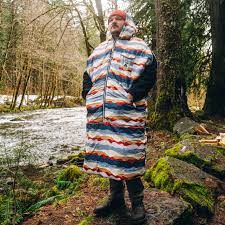
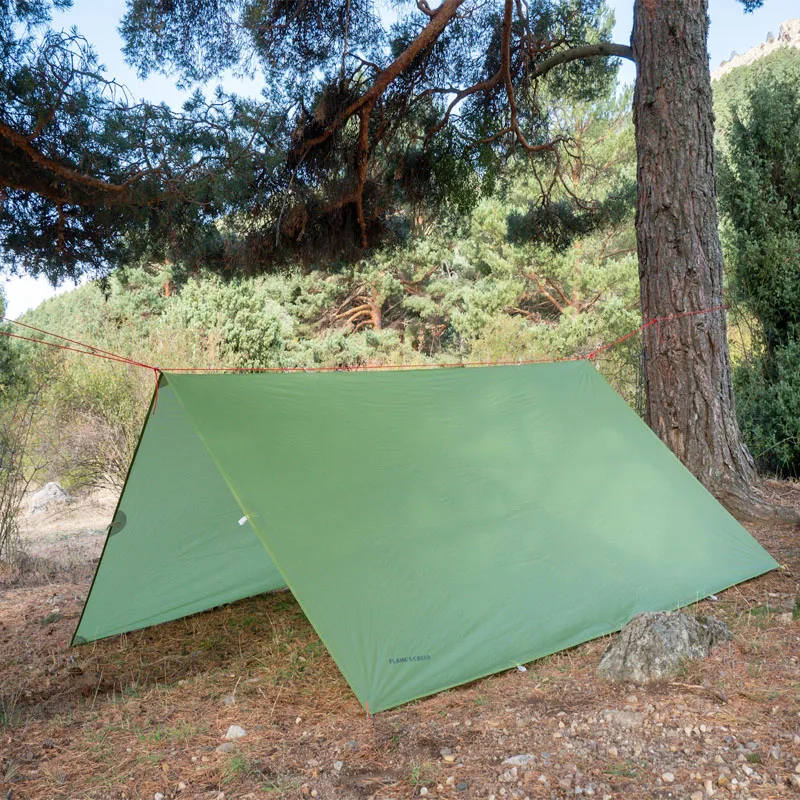
The primary goal of my project was to create a piece that would allow someone to travel light, yet be fully prepared for changing weather conditions. The idea of combining modular clothing with purpose became the driving factor, and I began focusing on creating something that wasn’t just functional but also sustainable and compact. This meant ensuring that the design would work well outdoors, blending seamlessly into nature without losing style. The final concept emerged as a versatile, waterproof wrap skirt that could also be used as an emergency shelter.
 Design Process
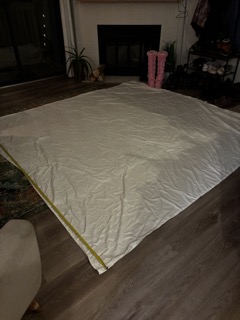
The design process began with sourcing materials and experimenting with patterns. I started by gathering ripstop fabric which would provide both durability and water resistance. From there, I explored different patterning techniques, even creating a test pattern out of old sheets to refine the fit and structure. A major challenge in the early stages was figuring out the sewing techniques and ensuring the fabric would fold and function properly as both clothing and shelter.
The skirt’s modular function is central to its design, allowing it to transform from a simple wrap skirt to a full emergency shelter when needed. I incorporated snaps to secure the skirt around the waist and elastic cord for additional adjustability. This ensures the skirt fits comfortably while also providing the flexibility to change it into a tarp-like shelter if the weather takes a turn.
Sketches and Final Design
Early sketches focused on the basic functionality of the skirt. I wanted the design to be simple yet efficient, with clean lines and minimal details. As I began working through the design iterations, I refined the shape of the skirt, ensuring that it could be worn comfortably while also providing the necessary coverage when used as an emergency shelter.
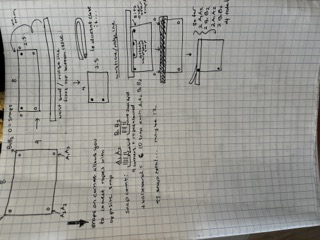
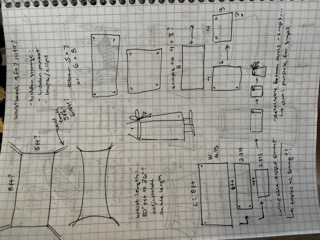
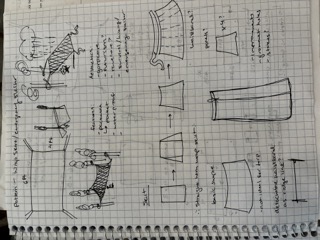
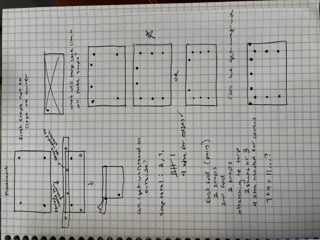
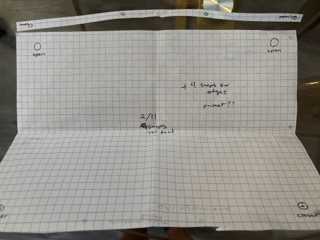
The final design incorporates a waterproof nylon fabric that provides the durability and water resistance needed for both rain and wind. The sleek, clean aesthetic is intended to make it wearable on the mountain but also stylish enough for everyday use. I kept the aesthetic nature-inspired and gorpcore, focusing on earthy tones and simple lines to keep it functional yet fashionable. The goal was to achieve a design that doesn’t scream “gear” but rather blends into the environment, allowing the wearer to transition from the outdoors to urban spaces with ease.
Aesthetic Vision
My vision for the Storm Skirt was heavily influenced by outdoor aesthetics with a strong nod to streetwear, which has always been a style I gravitate toward. The result was something similar to gorpcore, which blends fashion with popular outdoor activities. The term “gorp” comes from the acronym for “Good Ol’ Raisins and Peanuts,” which is a popular trail snack. In the context of fashion, gorpcore embraces rugged, utilitarian clothing and accessories like puffer jackets, hiking boots, cargo pants, and fleece jackets, often combined with more stylish, streetwear elements.
Next Steps and Refinements
One potential change I’m considering is replacing the snaps with Velcro to create a more adjustable waistband, which would add more flexibility to the design. I’m also thinking about adding cords at the ends to help secure the shelter function more effectively when it’s deployed. Overall, I’m focusing on functionality first—ensuring that the design can withstand outdoor conditions and serve as an effective shelter.
Challenges and Considerations
The biggest challenge in this project was working with my limited sewing knowledge and ensuring that the design was practical enough for outdoor use while still being comfortable and stylish. The cost of high-quality waterproof materials also posed a challenge, as they can be expensive, but I found affordable alternatives that still met the requirements for durability and water resistance.
Time was another constraint, as I needed to balance the project with other coursework and commitments. Testing and refining the design over time is something I’d ideally do, but with the limited time available, I focused on getting the essential functionality and aesthetics right in the initial iteration.
I’m looking forward to testing it out and refining it based on feedback from real outdoor use.
sources:
- https://poler.com/collections/napsacks

2 Comments. Leave new
Ellyse, your project is both innovative and well executed! I’ve never seen the concept of wearing a sleeping bag or tent before, but your version looks fantastic. One suggestion I have for your post is enlarging the photos of your sketches to help showcase the detailed planning and pattern work you invested in the design, as I found it difficult to see the finer details. Overall, your project looks fantastic and demonstrates real creativity.
This turned out awesome Ellyse, also the name of the project is awesome. I do not wear skirts much, personally, but with one this dynamically useful, I may reconsider. I feel like this is a design that could be easily patented, no? A wearable shelter is fantastic, and the fact that you actually implemented it is fantastic! What challenges did you face with sewing such a durable and course material?